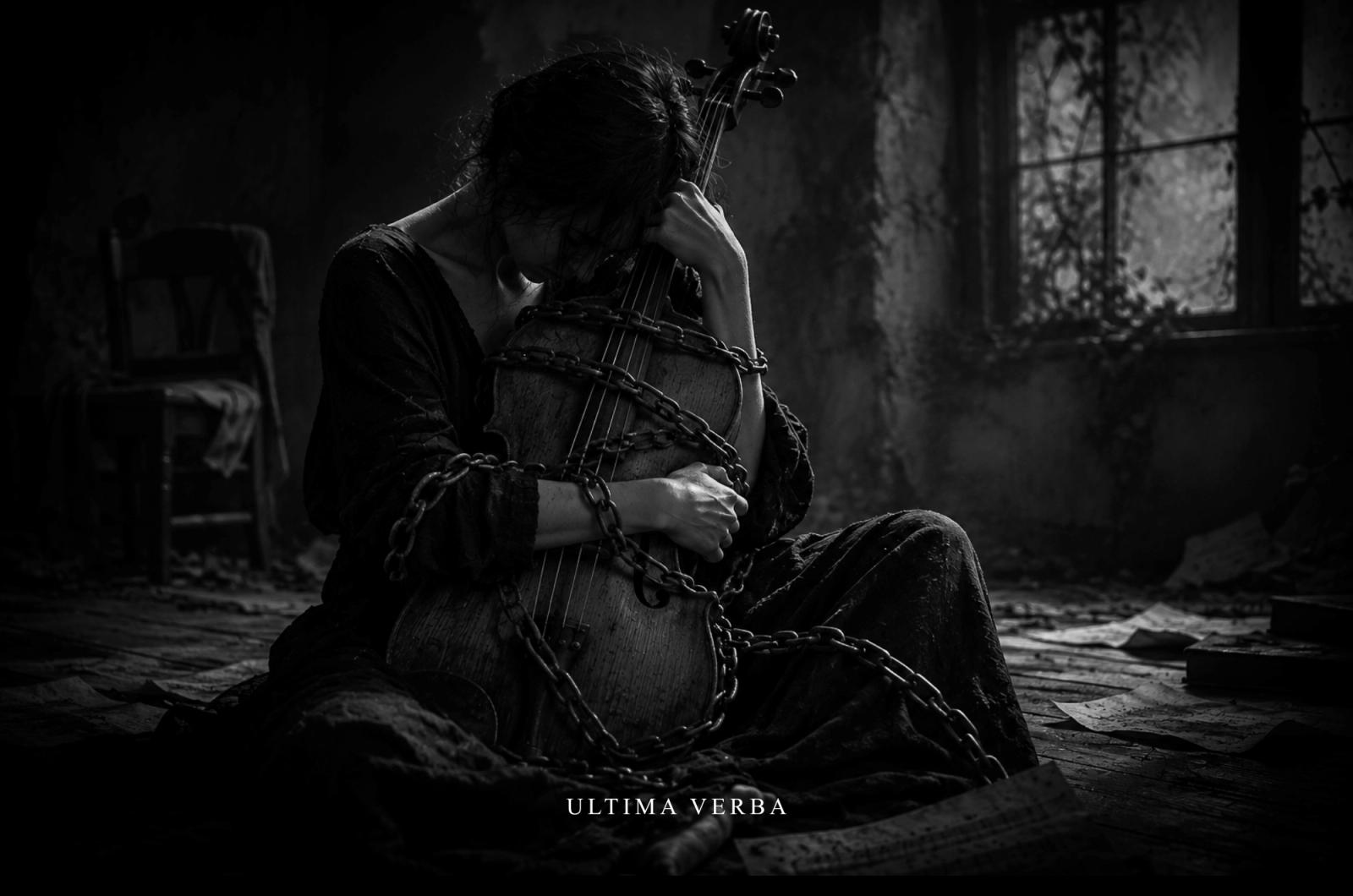
In the world of music, few relationships are as visceral as the one that unites a performer with their instrument. Whether it's a student instrument or a Stradivarius, the musician develops a profound, almost ontological, bond with it. It's not an accessory to be manipulated: it becomes an extension of one's own body, a confidant to whom one expresses, without words, the highest joys as well as the deepest anxieties.
The instrument as an emotional archive
Our attachment to objects is often a way of capturing time. For a musician, their instrument is a living archive: every hour of rehearsal, every concert, every moment of solitude seems imprinted in the varnish and the wood. When the musician touches the strings, they are not simply producing a sound; they are reactivating an emotional memory.
The instrument then becomes the witness to a metamorphosis. It has known the clumsy hands of the student, the first victories as well as the first defeats. To part with it is to sever an invisible thread with the child one once was, the one who, in the privacy of a bedroom, discovered the intoxicating power of music.
Why do we keep our first instrument?
The first instrument holds a special place. It is rarely the best a musician will ever own. Over the years, it can become too small, limited, too fragile, sometimes even unplayable. And yet, when the time comes to part with it, its value suddenly seems to have little to do with its sound quality or price.
Because the first instrument isn't just the one on which you learned to play. It's the one on which you learned to become a musician. It carries the memory of a time when everything was still being built: the first gestures repeated until exhaustion, the first pieces finally mastered, the stage fright of a first concert, perhaps even the first ambitions that one didn't yet dare to voice aloud.
With it, a part of our artistic identity was forged. Therefore, keeping it is like preserving a tangible proof of this journey, as if this object could keep open a path back to who we truly were. This is the paradox of the first instrument: the less useful it is, the more its value increases. And perhaps that's why some instruments spend decades in a case, unplayed and never able to be sold.
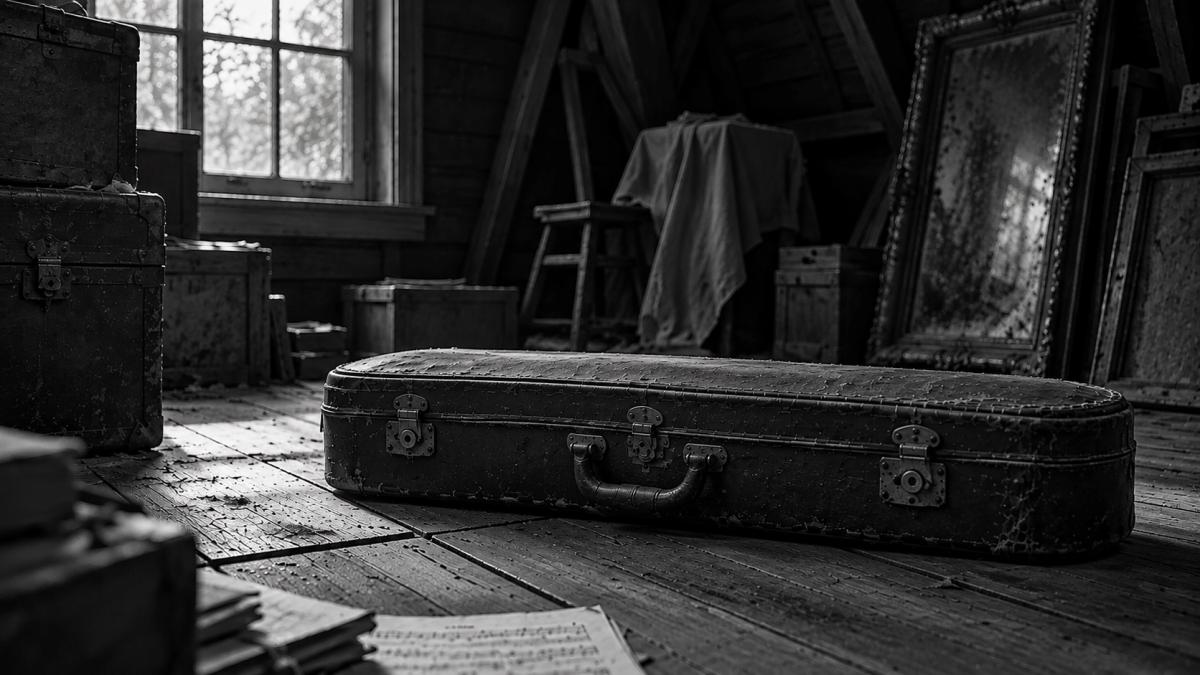
When the object becomes the subject
During the performance, the boundary between subject and object blurs. Who is vibrating? Who is speaking? A violinist, for example, by holding their instrument close, alters their posture, breathing, and heart rate. The instrument becomes a biological resonating chamber, allowing the expression of what verbal language fails to name. In some performances, one even gets the impression that the instrument is playing the musician.
The necessary farewell: parting with one’s instrument
Yet this fusion can become an obstacle. To grow, it is sometimes necessary to relinquish a part of oneself.
It is from this realization that Ultima Verba, a work for solo viola by Corentin Apparailly, was born. With this first published score, the composer chooses to part with his own viola, but also with his life as a performer.
But how can one say goodbye to the instrument that has accompanied him since the age of four, with which he discovered music and gradually built an entire life?
Ultima Verba transforms this farewell into a final, deeply moving conversation, where the viola becomes both the speaker and the listener. Anger, fear, fragility, meditation, gentle and melancholic joy: a final gesture to thank the instrument for its faithfulness, to acknowledge all that it has allowed him to build, and, before letting it go, to offer it its final notes.