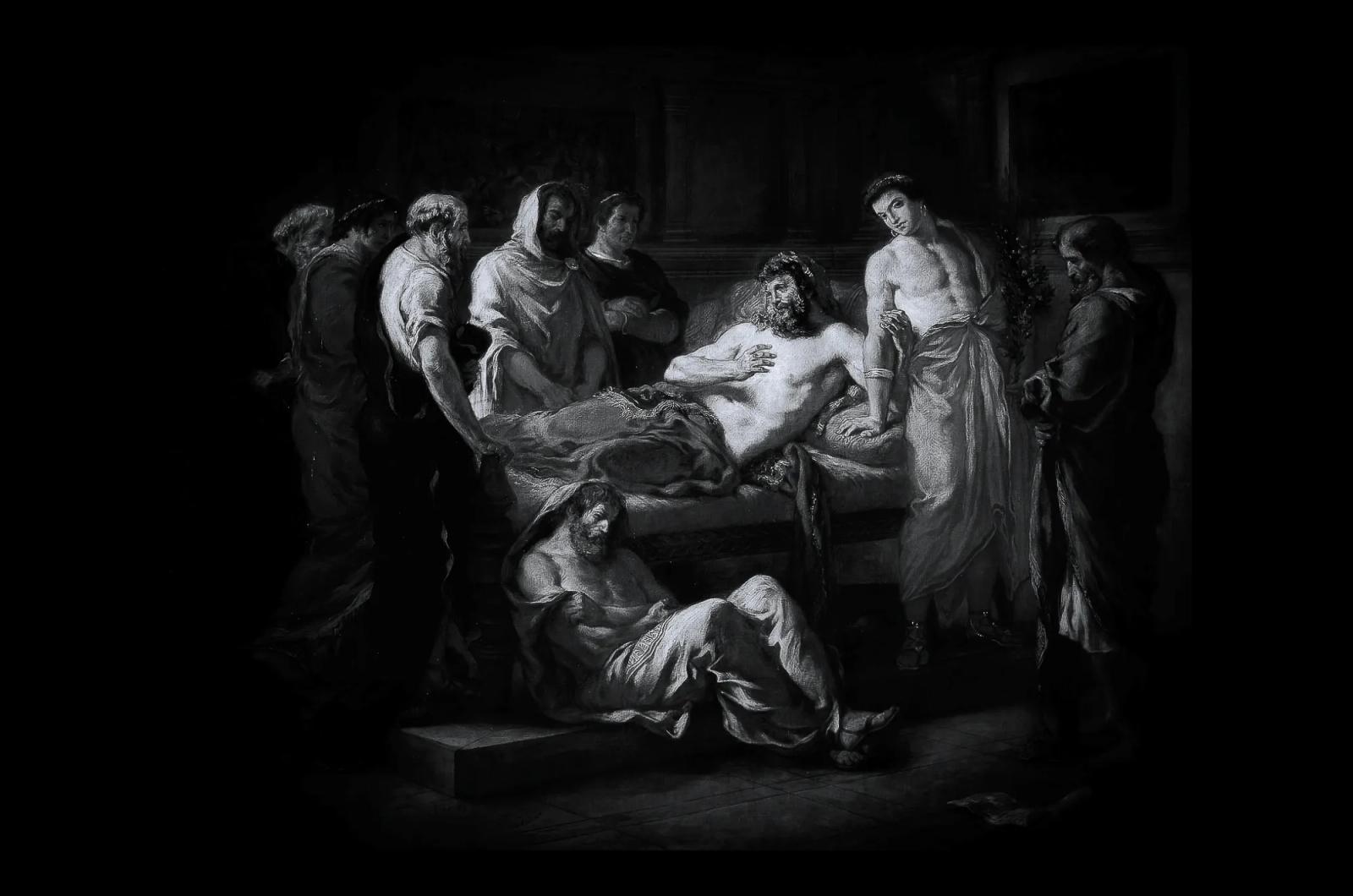
What is an Ultima Verba?
In Latin, Ultima Verba literally means 'last words.' The expression designates the ultimate words spoken or written by a person before dying: their final message addressed to the world. Since Antiquity, these fragments have fascinated and resonated through the centuries, gradually forming a genre of their own, particularly prominent during the French Revolution and the Romantic period.
What is striking about an Ultima Verba is never its length, but its density. In a few words, in a single breath, an entire state of mind is concentrated: the lucidity of a philosopher, the regret of a lover, the tenderness of a father, the irony of a mind refusing to let itself be tamed by death itself. It is a suspended instant where the soul expresses itself before the great silence.
The Last Words that Traversed History
Some face their final moments with almost philosophical clarity. Condemned to drink hemlock in 399 BC, Socrates reportedly asked his disciple Crito not to forget to settle a debt: a rooster owed to the god Asclepius. A trivial, almost comical detail, yet one that speaks volumes about the philosopher's detachment from his own death. Similarly, Marie Antoinette, stepping onto the scaffold in 1793, apologized to her executioner for stepping on his foot.
Other last words are more akin to confession or remorse. Vincent van Gogh, dying beside his brother Theo, reportedly left only a heart-wrenching, sober line about the sadness that would last forever.
Finally, some choose to defy death with humor. When asked if he had any last thoughts to express, Karl Marx famously replied that last words are for fools who haven't said enough during their lives.
THE FINAL WORDS
THAT ECHO THROUGH HISTORY.
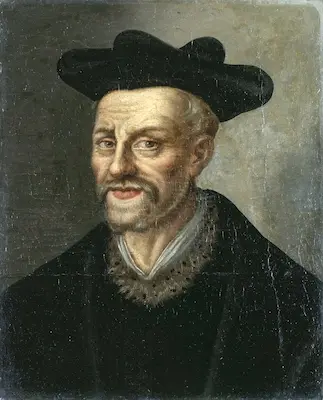
“Draw the curtain, the farce is played.”
RABELAIS
1553
When the last words are written
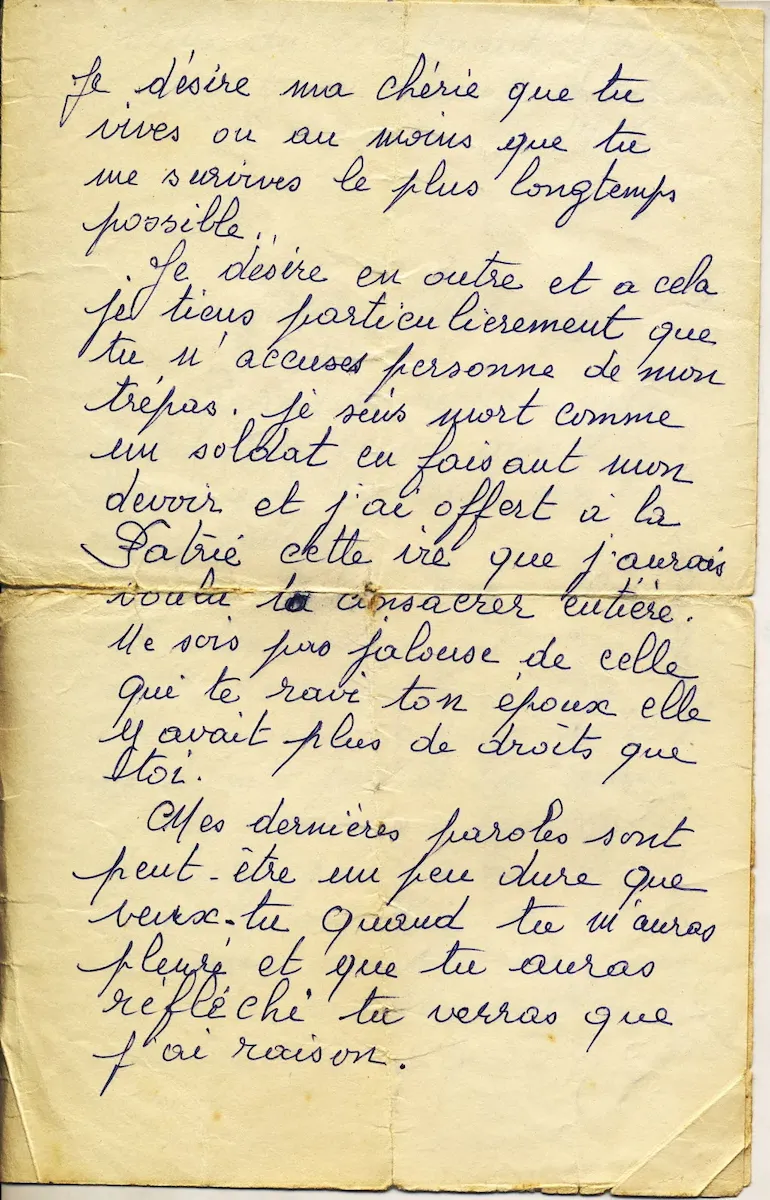
Beyond spoken words, there are written Ultima Verba: letters penned with the awareness or premonition of the end.
Soldiers' correspondence from the front lines offers the most poignant examples. Every word carries the weight of urgent time: fear, love, and the lucidity of those who know they might be writing for the very last time.
The Swan Song: When the Artwork Becomes the Final Word
In French culture, the expression 'swan song' is intimately tied to Ultima Verba. According to an ancient belief, swans, silent throughout their lives, sing an exquisitely beautiful melody at the exact moment of death. The expression evolved to designate an artist's final masterwork, their aesthetic testament.
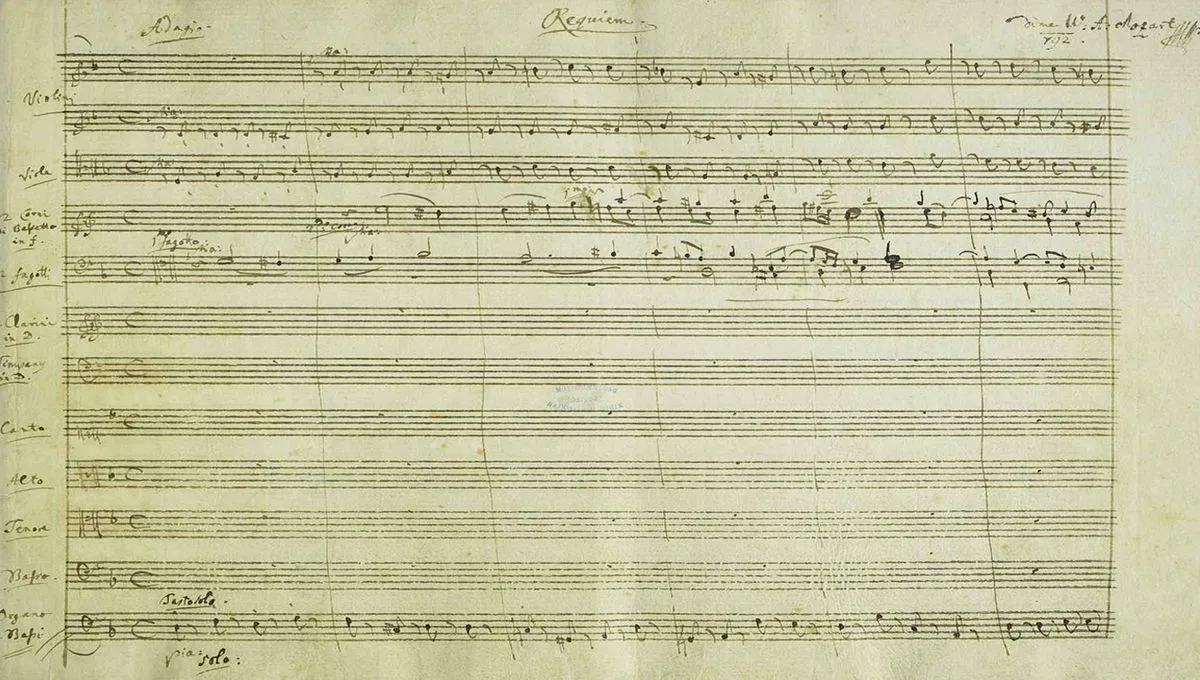
REQUIEM BY WOLFGANG AMADEUS MOZART
Begun in secrecy during the summer of 1791, Mozart's Requiem remained incomplete upon his death on December 5. Between dramatic intensity and spiritual depth, it stands as the ultimate musical message of a genius aware of his impending end.
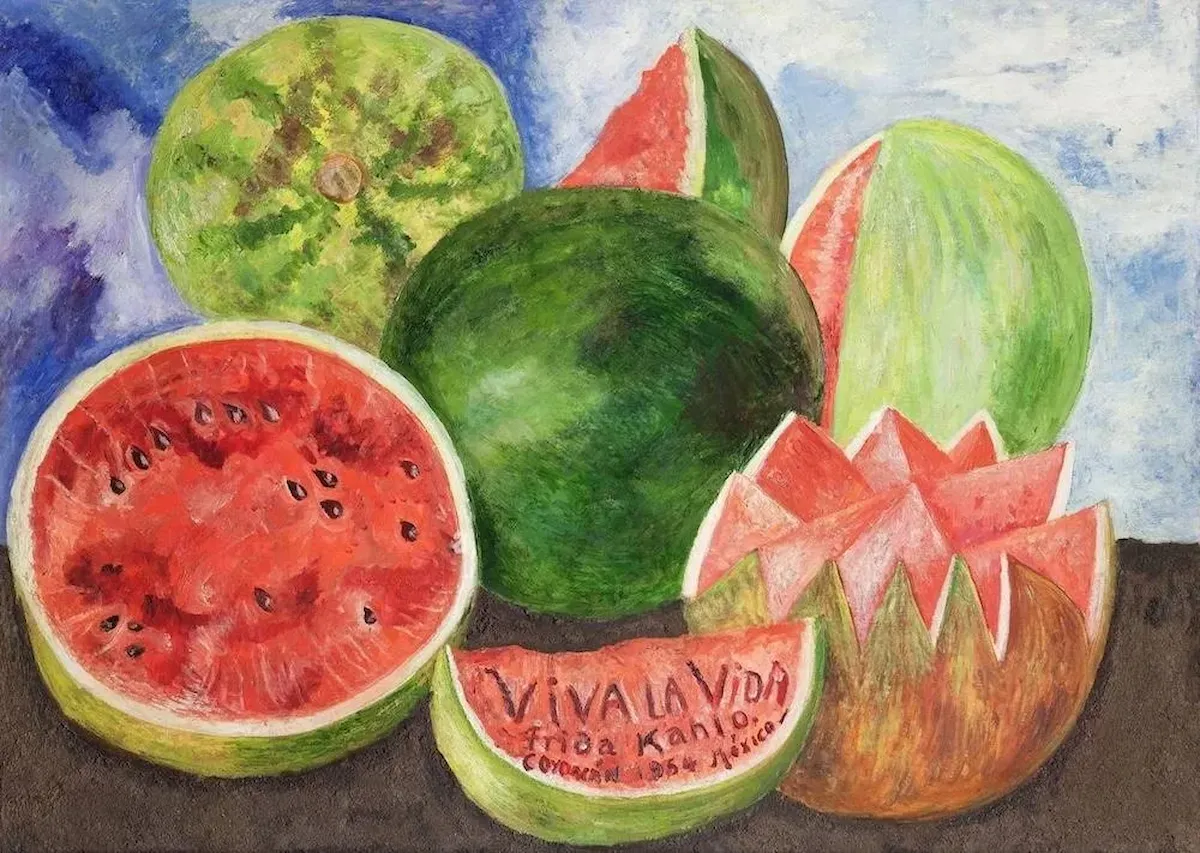
VIVA LA VIDA BY FRIDA KAHLO
Painted just days before her death in 1954, Viva la Vida, vibrant sliced watermelons, stands as Frida Kahlo's defiant celebration of existence over physical agony.
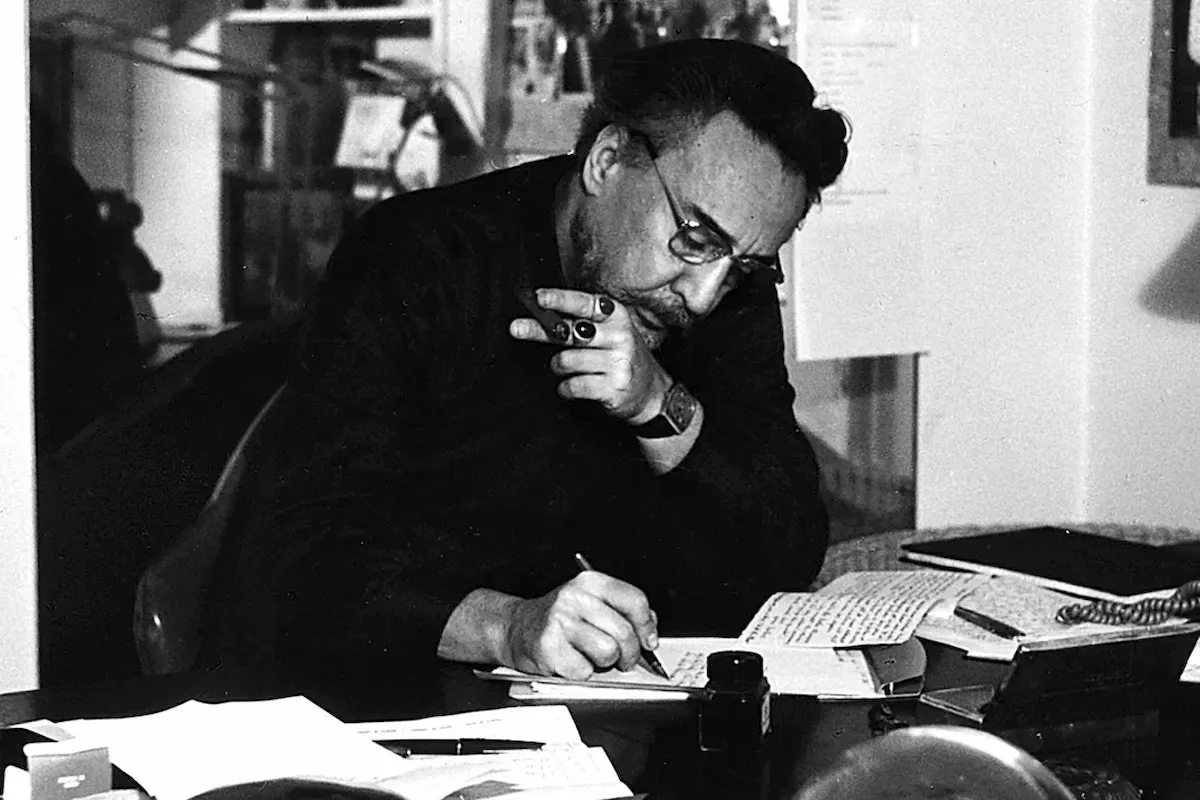
LA NUIT SERA CALME BY ROMAIN GARY
Published shortly before his suicide in 1980, The Night Will Be Calm takes the form of an extended fictional dialogue Romain Gary holds with himself. It condenses all his obsessions, his irony, and his piercing lucidity on human existence—a final literary breath that reads, in retrospect, as a farewell letter disguised as a conversation.
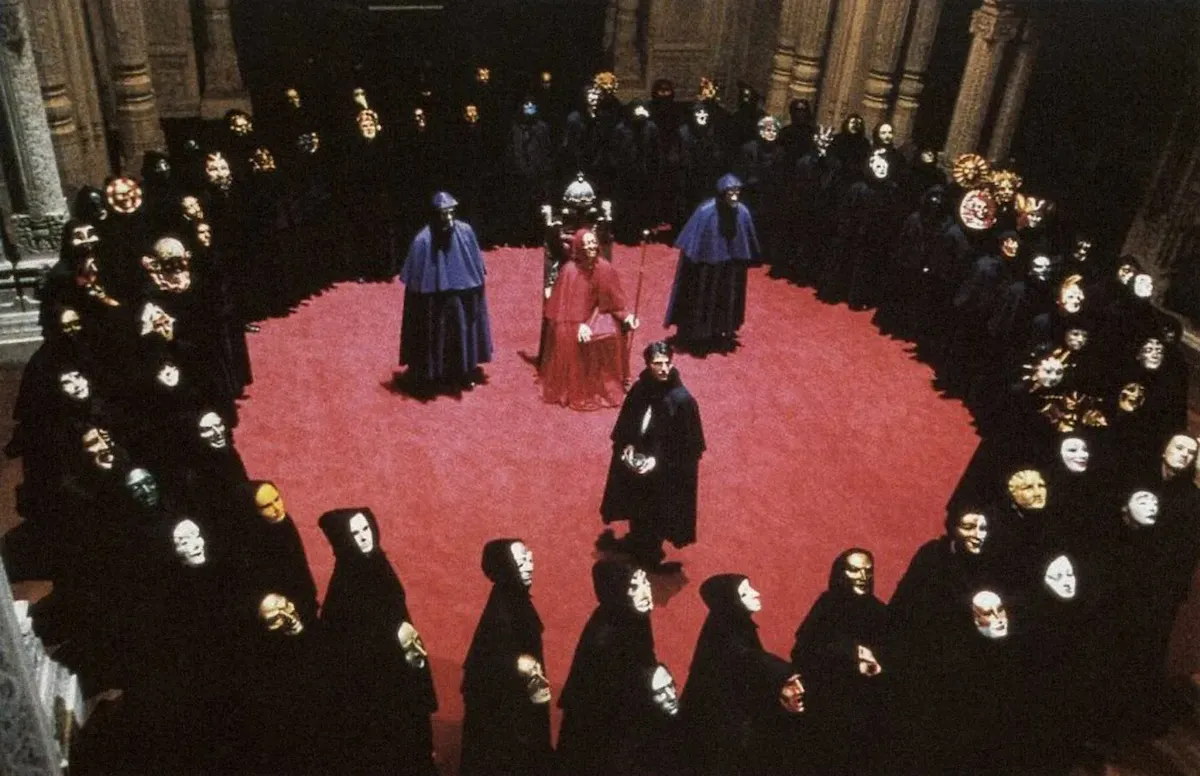
EYES WIDE SHUT BY STANLEY KUBRICK
Stanley Kubrick passed away in March 1999, just days after presenting his final cut of Eyes Wide Shut, leaving a profound and haunting final cinematic statement.
Ultima Verba: The Last Notes of an Instrument
Today, this legacy finds embodiment in Corentin Apparailly's debut published score, exploring the poignant moment when a musician bids farewell to their lifelong instrument: Ultima Verba for solo viola, published by Scripta Manent.