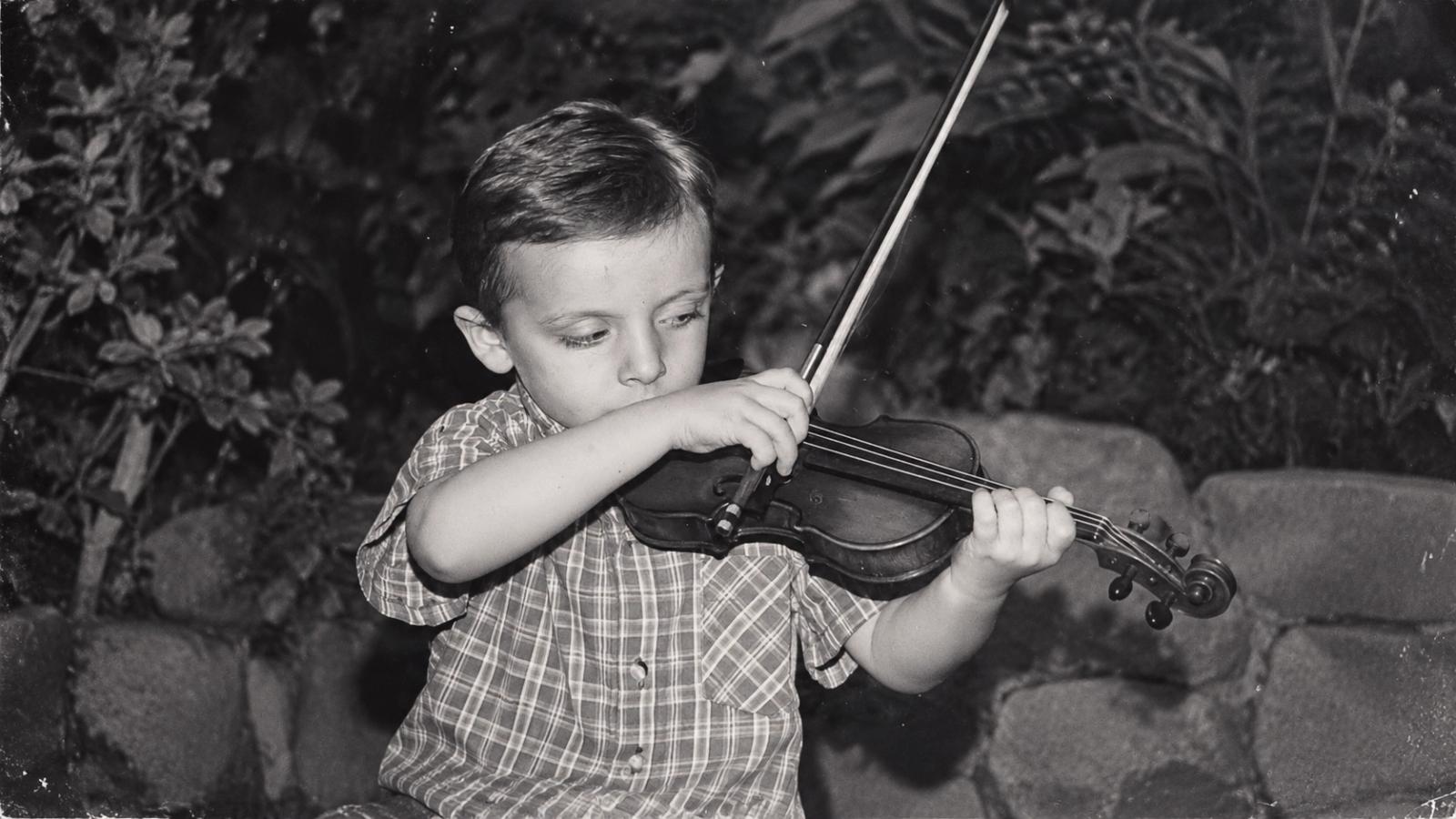
Growing up in a family of violists
Both your parents, Valérie and Gilles Apparailly, are violists. What is your earliest memory involving the viola?
The viola was surely the first sound I ever heard, even before I was born. I spent my childhood moving between the corridors of the conservatory, where I’d be near my mother, and the dressing rooms of the Halle aux Grains, near my father. Beyond my parents, I also have a brother who is a violinist, an uncle who is a cellist and another who is a violist, and two aunts who are violists, all of them professionals. Music is an institution in our family; I can’t remember a time without it.
There’s a story about you from when you were an infant...
I had to spend several nights in the hospital after I was born. My mother put a small cassette player in my crib playing the Stamitz Concerto so we could stay connected until we were reunited. When she came to pick me up a few days later, the nurse asked for the recording details: "Whenever I play that tape, all the babies fall asleep!" In the years that followed, there may well have been generations of infants in Toulouse lulled to sleep by the sound of the viola without ever realizing it!
With a family like that, would it even have been possible to choose a different instrument?
Yes, absolutely, just like my brother did. When I was about four and wanted to start playing an instrument, my parents tried to introduce me to others, like the cello or the piano... But I dug my heels in: "I want to play the viola!" I actually recently found my first instrument in the family cupboard: a quarter-size violin strung as a viola, it’s only about thirty centimeters long! It looks like a toy.
Was growing up surrounded by musicians a stroke of luck or an added source of pressure?
Both, without a doubt. Growing up in that environment naturally created a serene and encouraging setting for practice, allowing me to envision that path without seeing any barriers. From a very young age—without necessarily knowing what form it would take—I always knew I would be a musician.
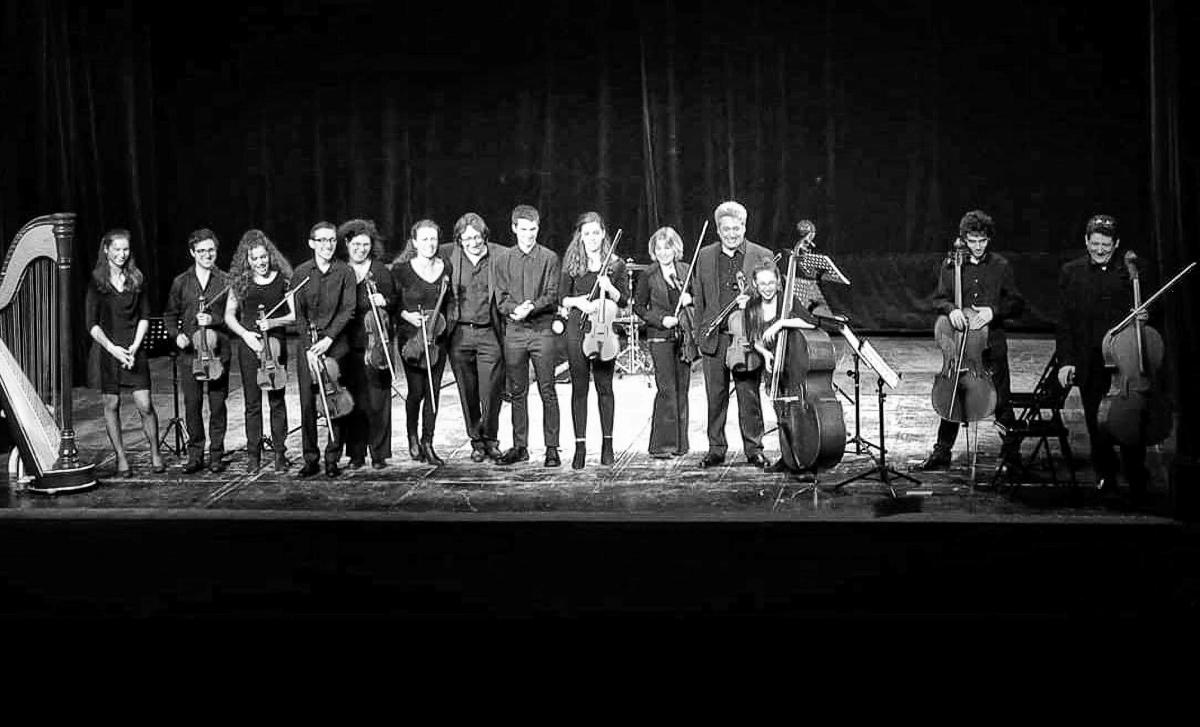
The formative years
Which teachers had a particularly significant impact on your journey?
In order: my parents, Louis Merlet, Michel Mikalakos, Pierre Lefebvre, Jean-Philippe Vasseur, Jean Sulem... each in their own way supported me and fueled my curiosity about the instrument and music.
Then there were all the masters I was fortunate enough to meet a bit later: the Ébène Quartet, the Artemis Quartet, Menahem Pressler, Ferenc Rados... They helped me understand — and, above all, feel — what it means to dedicate one’s life to music.
Was there a particular work that marked your transition from student to musician?
I don't think there is a specific age for becoming a musician. But among the key milestones in my journey as a young violist, I remember playing the Stamitz Concerto with an orchestra at fifteen, during a summer course in Cervo, Italy. That’s a nice way to bring things full circle, connecting back to the anecdote I shared earlier.
But it was really playing in a quartet that transformed me from an emotional, intuitive musician into one who is more thoughtful and structured.
Did you ever have doubts about becoming a professional violist?
No, I knew I wouldn't be one. I have always loved creating: composing, writing, and inventing. The viola was an extraordinary companion for many years, perhaps the most important ones. It is a true gift for a child to be able to express themselves through music at an age when words might fail you, yet I knew that one day I would say goodbye to it. Of course, I remain connected to it, and always will. But my need to express myself through my own works was too strong. Deep down, I believe I have always been more of a composer than a violist.
The Viola in the Quatuor Arod
You played with the Quatuor Arod for several years. What role does the viola play in a string quartet?
It is a dream role: being at the heart of the harmony and the sound—at once a driving force and lyrical, a soloist and an accompanist... it is like being a small orchestra.
In that group, you played an 18th-century Italian viola. What was special about it?
There are instruments that open up new worlds for you. That was one of them. It was an anonymous "Harlequin" instrument with a mysterious history. From the very first trials, it found its place in the ensemble sound, and I loved exploring those new sonic landscapes for a few years. I am very happy that the viola is still part of the quartet today.
Of all those concerts, which one left the biggest mark on you?
I obviously have very vivid memories of certain concerts and venues—like our semi-final at the ARD Competition in Munich, which we finished in tears. But what stands out most is that sense of "flow," when everyone is in perfect harmony. Those moments of grace on stage could happen just as easily in prestigious concert halls as in small country churches.
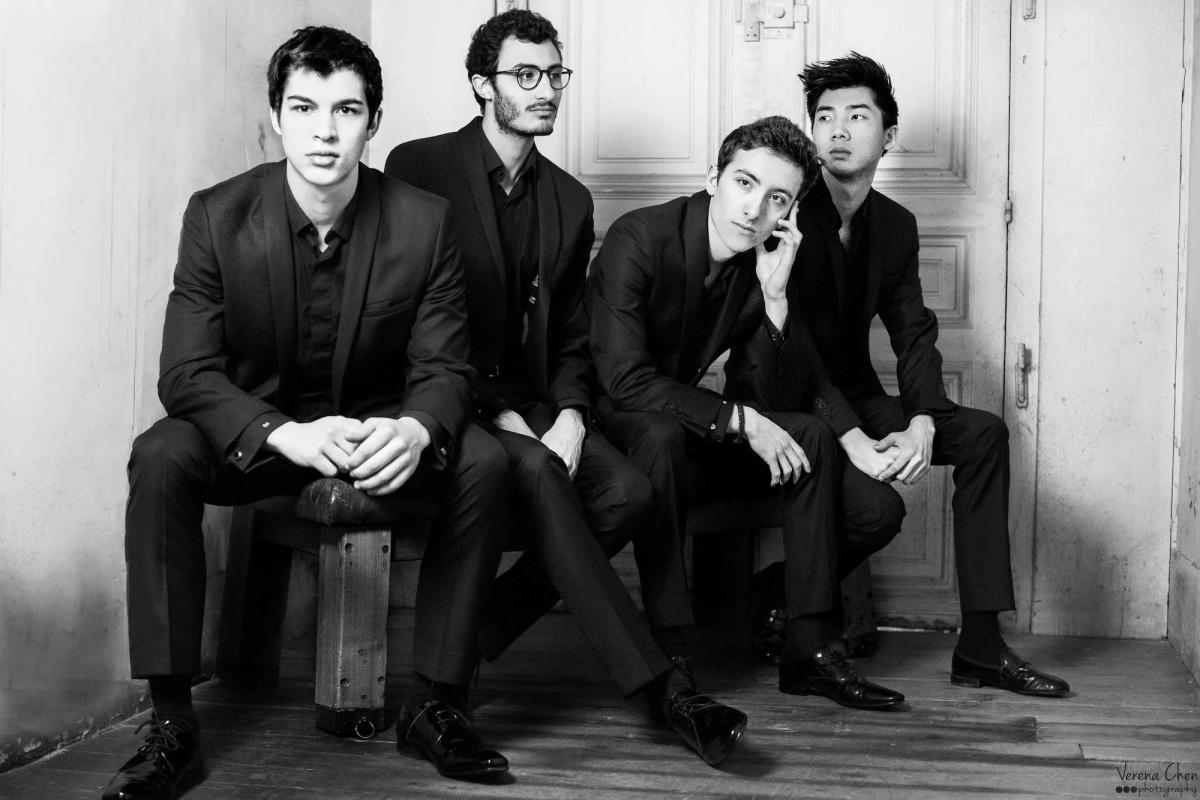
Leaving the Quatuor Arod to compose
In 2018, you left the Quatuor Arod to devote yourself to composition. At what point did you realize you were going to change the course of your life?
Just as I knew I wouldn’t be a violist forever, I always knew my time with the quartet would eventually come to an end. After five years of touring the world— during which I was simultaneously amassing hundreds of compositions, stories, and drawings in my notebooks and on my computer — I found myself facing a choice: continue that life or take the risk of finding my own path. It’s a period I describe in greater detail in my book, so I’d rather not dwell on it too much here.
Do you remember your last concert?
Yes, it was in Tokyo in December 2017. Yet, I have almost no memory of it. I was completely consumed by what was playing out internally: the doubts, the decision I had to make, the tour that still had to be finished... I have a deep love for Japanese culture, and I feel that a chapter of my story with that country remains unfinished. I’d like to go back soon, this time to have one of my compositions performed there.
How did you part ways with the viola?
I completely set the viola aside for a year, hardly noticing the time go by. I was so happy to be able to devote myself entirely to composition! But gradually, the urge to play returned.
What I missed most was that physical connection to the music—producing the sound myself, feeling it come to life beneath my fingers. Composing is a deeply intellectual process, whereas performing is something more embodied, instinctive, and immediate. It is a different way of experiencing music. Looking back, what I miss most about my life as a performer are those moments of grace on stage I mentioned earlier—when time seems to stand still and you are no longer quite on stage, but somewhere beyond it, in symbiosis with the music.
Has your background as a performer changed the way you write music?
It has profoundly shaped it. I wouldn't be the same composer without all those concerts and without having experienced those works from the inside. It’s an extraordinary school: you develop a very concrete intuition for what works musically, what sounds right and what doesn't. The concept of synesthesia resonates with me deeply because, for me, music has always been about more than just hearing: I see colors in it, I perceive the touch as a physical substance... I believe that playing an instrument fosters these physical sensations associated with sound.
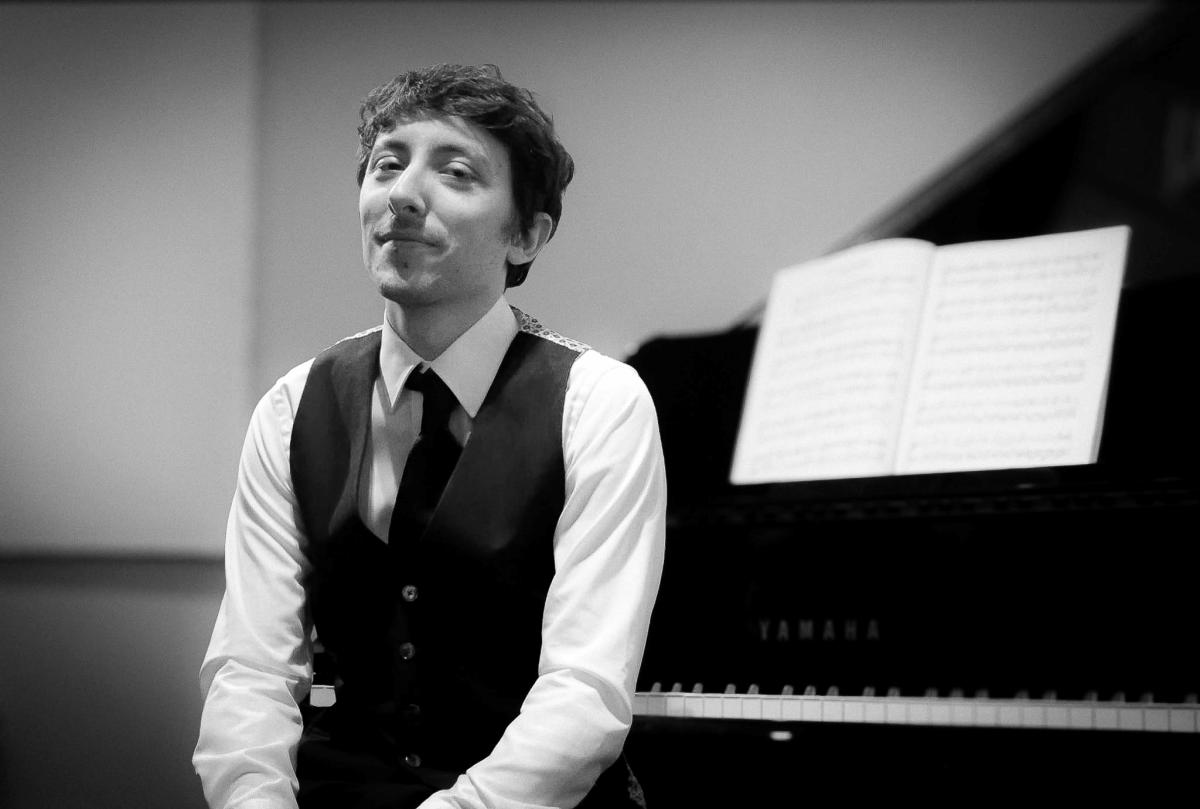
Ultima Verba: a farewell work for solo viola
Why did you choose the viola for your first published composition, Ultima Verba?
For all the reasons I mentioned earlier: I couldn't enter the world as a composer without my viola. This first piece is truly a farewell, not just to the instrument, but also to my identity as a performer, to a version of myself.
How did you compose this work? By turning to your instrument, or directly on paper?
I never compose at the instrument. It always comes into play at a later stage, to put the lines to the test, to verify and try out the phrases, and to feel what is happening within them, physically. I must say that with this work, that stage was particularly deeply moving.
Is there a passage in Ultima Verba that brings back a specific memory?
Every note holds deep meaning for me. But if I had to single out just one passage, it would be the lullaby that concludes the piece. It is a moment of simplicity and tenderness, quite rare in my body of work, that soothes me just as much as it breaks my heart.
How did it feel to hear another violist perform this music for the first time?
It was Violaine Despeyroux who gave the first public performance of Ultima Verba. I couldn’t have imagined a better performer for the piece: we’ve known each other since kindergarten! She had witnessed, from near or far, all the stages of my life that eventually led to its composition. What touched me most was hearing her make this deeply personal music her own, creating something equally intimate, yet entirely hers.
Later, Ultima Verba was chosen as the set piece for a famous competition for young violists. Hearing fifteen different interpretations of the same work was an extraordinary experience. I discovered just how much each player could bring their own sensibility and personal history to it. Several violists wrote to tell me what they felt while playing it; some of the messages were deeply moving. For a composer, knowing that your music resonates so powerfully with other musicians is an immense gift.
Today, Ultima Verba continues its journey. It has been performed in Los Angeles, among other places, and is now finding new life through versions for violin and cello.
About the viola today
After writing this farewell piece, do you still play the viola?
I will never put the viola away for good. I still play for pleasure, and even perform in concerts with friends. But I know that professional life is behind me.
Will you write for the instrument again, or is this truly your Ultima Verba?
Who knows…
With Ultima Verba, Corentin Apparailly transforms a private farewell into a universal work about grief. Born of a deeply personal story, the piece now finds its place in the hands and sensibilities of new performers.